How Can Legacy Brands Stay Relevant Without Losing Customer Trust?
Legacy brands face a challenge their newer rivals never will: they evolve in plain view of customers who already know them. New competitors enter, solving narrow problems, and there's social currency in being new. Established brands often owned the category first and solved for far more, yet they aren't always the ones customers choose — whether a shopper reaches past them or a buying committee leaves them off the shortlist.
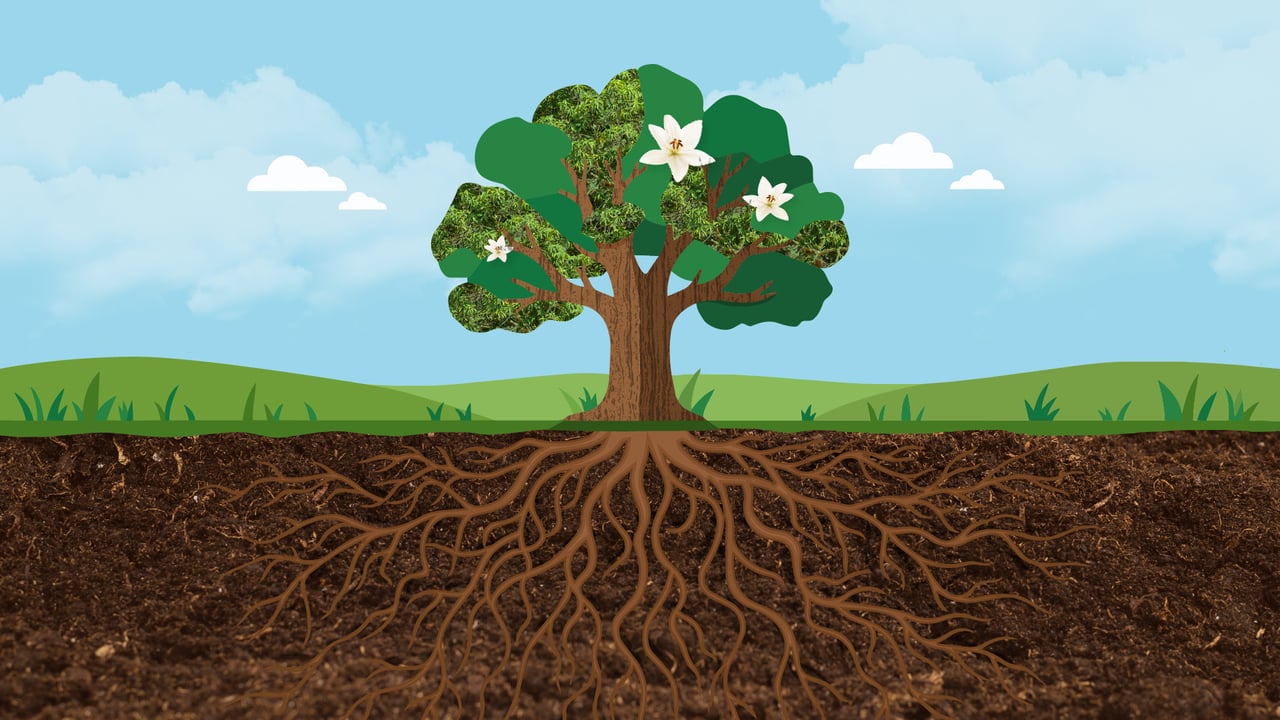
That gap is where a strong brand evolution strategy earns its keep. Legacy brands already own the hardest asset to build: trust. They don't have to create awareness, earn credibility and drive sales all at once. A smart brand transformation strategy treats modernizing a legacy brand as a sharpening of perception, not a reinvention, protecting equity that took decades to build.
Why Is Brand Modernization Necessary for Established Companies?
Even earned trust expires if a brand stops showing up the way people expect. Evolving customer expectations push toward more personalization, authenticity and relevance, and buying behavior follows. When a brand feels dated to younger and digital-first audiences, the perception problem becomes a sales problem.
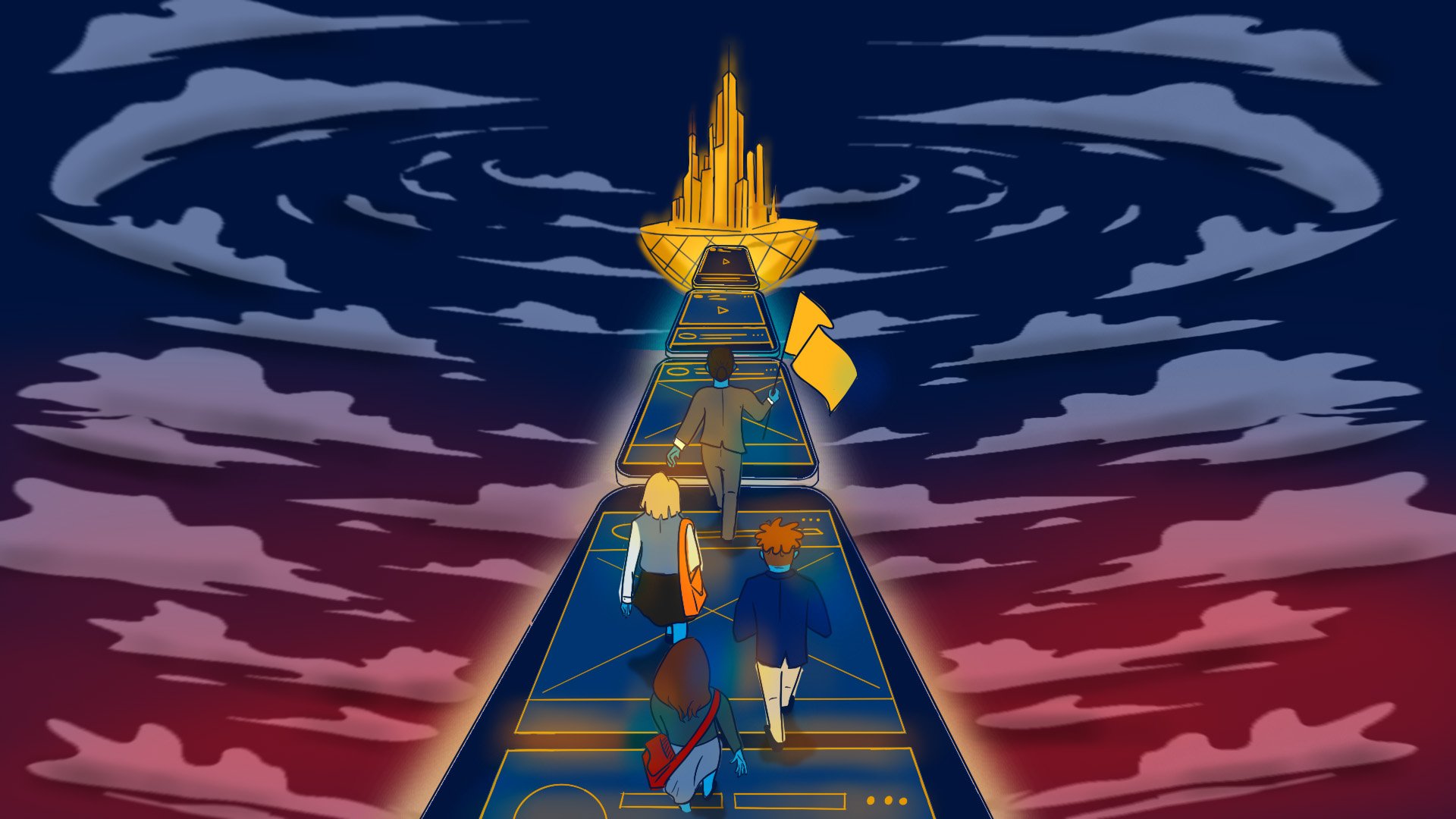
This holds on both sides of the market. Consumers research before they buy, and so do business buyers. Gartner finds B2B purchasers spend just 17% of their time with suppliers, handling the rest online. Your digital presence sells long before a person does. Digital brand transformation closes that gap, keeping brand modernization relevant to how customers buy without spending down hard-won credibility.
Why Does Messaging Matter More Than a Visual Rebrand?
Audiences form perceptions through communication and experience far more than a logo. A new color palette won't fix a brand that sounds out of step — most companies have a relevance problem, not a design problem.
That's why brand messaging strategy does the heavy lifting. Refining voice, positioning and storytelling keeps a brand recognizable while making it current. Clear, consistent communication is itself a trust signal: when people grasp what you offer and how it fits their work or lives, clarity reads as credibility. A disciplined brand storytelling strategy and steady brand communication strategy keep you top of mind through change.
How Can Legacy Brands Evolve Without Alienating Loyal Customers?
There are two ways to alienate an audience. The first is changing too much, too fast. Tropicana proved it: its 2009 redesign dropped the familiar orange-and-straw carton, and sales fell about 20% in two months before PepsiCo reverted. The costliest branding mistakes and rebrand failures aren't about taste — they strip out the cues customers rely on.
The second is the opposite: letting your digital presence go stale. A clunky website, dated UI and confusing UX push away digital-first buyers as surely as a jarring rebrand pushes away loyalists. For both B2C and B2B brands, the digital experience is where credibility is won or lost.
The fix for both is to evolve gradually. A patient rebranding strategy preserves recognizable elements, core values and heritage, then updates tone, messaging and UX in steps — so loyal users feel the brand sharpen while new users find it current.

What Should Legacy Brands Actually Modernize?
Target what shapes perception now: messaging, website experience, content and social presence, not an identity overhaul. A digital branding strategy is no longer secondary to packaging or visual identity. For consumer brands, it drives discovery and conversion; for B2B brands, the website is the primary credibility check and a working sales tool.
Focus on the experience. Cleaner UX, faster access to what matters, accessible design and useful content all build trust. A social media brand strategy should meet people where they are with content that's relevant to them, not just clever internally — improving relevance while protecting the trust signals customers already recognize.
How Does Thought Leadership Help Modernize Brand Perception?
Expertise is the most efficient way to look forward-thinking without changing your identity, especially in B2B, where buyers self-educate long before they talk to sales. Brand thought leadership connects established credibility to the conversations shaping the industry now. It also humanizes the organization: executive branding puts real experts in front of the audience, turning an institution into people worth listening to. Educational content is an authoritative marketing strategy that builds trust as it modernizes.
Why the Most Successful Brand Modernization Efforts Feel Evolutionary — Not Disruptive
The strongest legacy brands don't chase trends; they outlast them. A sound long-term brand strategy floats through shifting trends because the positioning stays relevant and the digital channels reinforce it. That's the heart of a durable brand relevance strategy: evolve messaging, digital experience and perception thoughtfully, and the brand becomes a guiding light, not a relic.
Done right, modernization is a shift customers barely notice whether they buy from a shelf or a sales team. If you're ready to strengthen your long-term positioning, start the conversation at https://engageadcom.com/contact.
About the Author:
Riley Whitmyer builds brands around the people they're meant to serve. As a senior strategist at Adcom, she turns deep audience understanding into brand and go-to-market strategy, helping B2C and B2B teams stay relevant by putting the customer at the center of every message, experience and decision. Riley lives in downtown Cleveland but is usually in Utah or Colorado fishing, skiing or hiking. When she's not, she's out for a run — or reverse-engineering the audience insight behind every ad she sees.
Sources
- Gartner, "The B2B Buying Journey" — B2B buyers spend ~17% of purchasing time with suppliers: https://www.gartner.com/en/sales/insights/b2b-buying-journey
- Ad Age — Tropicana Pure Premium sales fell 20% (Jan. 1–Feb. 22, 2009): https://adage.com/article/news/tropicana-line-s-sales-plunge-20-post-rebranding/135735/
- CNN (via AOL) — 20% drop, ~$30 million loss: https://www.aol.com/tropicana-redesigned-classic-bottle-customers-120048162.html
- The Branding Journal — redesign launched Jan. 8, 2009; reversal announced Feb. 23, 2009: https://www.thebrandingjournal.com/2015/05/what-to-learn-from-tropicanas-packaging-redesign-failure/