For years, marketing planning followed a predictable rhythm: annual strategy, locked budgets, and campaign execution. By 2026, that approach feels increasingly disconnected from how consumers actually interact with brands. So how do marketers move into this year with confidence despite the chaos?
Let’s unpack it.
Why Marketing Planning Needs a Reset in 2026
The biggest shift in marketing is no longer marked by the birth of a new channel or the rise of a flashy social media platform. Rather than a singular change, it’s the speed of change itself that’s never been seen before. Content lifecycles are shorter, AI-driven tools evolve rapidly, and leadership teams demand clearer ROI, efficiency, and growth outcomes.
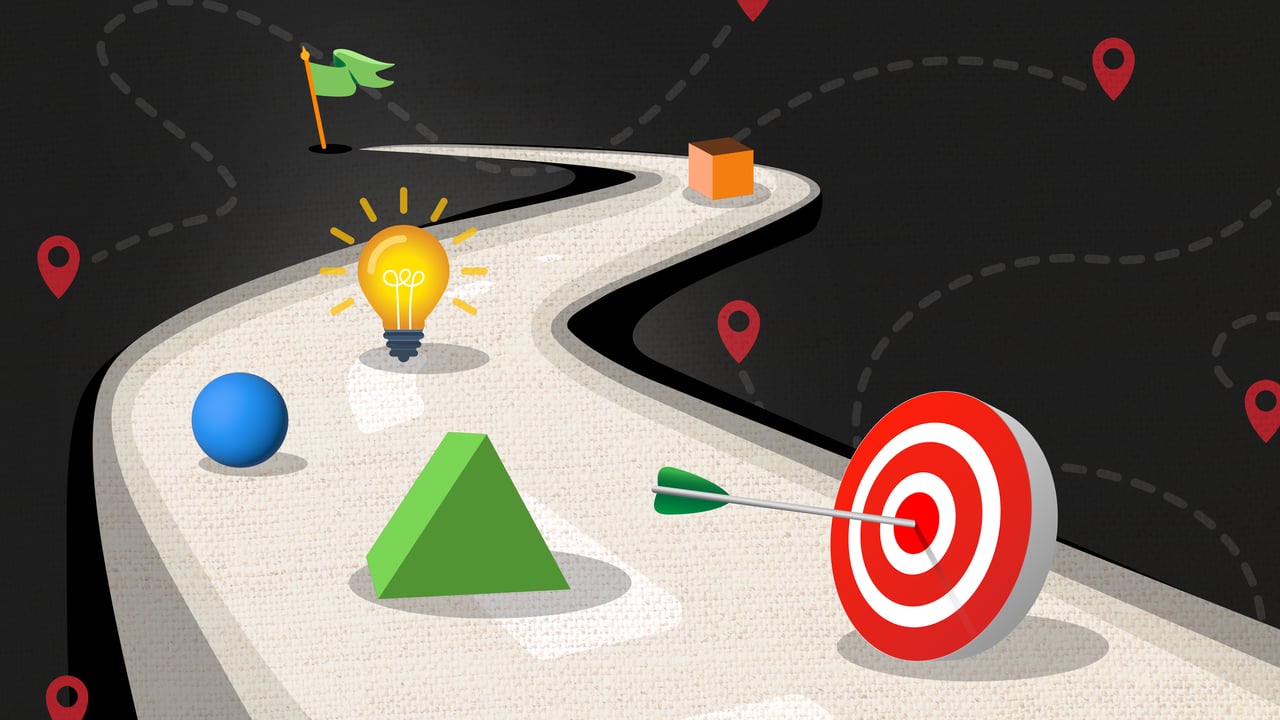
Amid all of this, annual planning isn’t wrong. The problem is that many teams create a fixed destination rather than a flexible roadmap. Too much rigidity forces teams to either ignore emerging opportunities or scramble without direction. As a result, flexible execution has become the differentiator. Brands that plan in shorter cycles and connect every activity to measurable business results will outperform those relying on static annual blueprints.
A modern marketing plan for 2026 should:
- Adapt without starting over at every change in channels, technology, or buyer behavior.
- Prioritize clear, useful content over sheer volume.
- Tie every campaign to measurable business outcomes, not just impressions or clicks.
If your plan assumes things will stay the same, it’s already behind.
Start With an Honest Audit of What’s Working (and What Isn’t)
Before setting new priorities, brands need a clear view of their current foundation. Most audits fail because they stop at surface-level performance. A channel may generate traffic, but never actually appears in sales conversations. A content series that looks popular may not get referenced or reused. Tools justified by habit quietly slow execution.
A rigorous audit looks back at 12 to 18 months and focuses on patterns rather than one-off wins. Ask questions like “What actually drives business?” rather than “How many likes did this post get?”
Consider:
- Which channels consistently contribute to leads, pipeline, or revenue?
- Which content formats are repeatable, referenced, or reused?
- What engagement drops off, and why?
- Are there processes creating friction instead of efficiency?
Holding a mirror up to your plan lets reality take over ambition for a clear view of what you’re working with. By rooting your strategy in what truly works, you avoid pouring budget and attention into channels that feel busy but don’t contribute as much as they seem.
-3.png?width=857&height=419&name=Untitled%20design%20(4)-3.png)
Think Like the Searching Consumer
Today, people discover brands and research products or services in a meandering way. A typical journey might start with a short TikTok explainer, move to a Reddit thread for validation, and end with an AI assistant summarizing options. And all this happens without ever driving the consumer to visit your site.
This means success is no longer about keyword ranking alone. Marketing must be genuinely present where questions arise, and it must provide clear content with answers. Aesthetics are powerful in defining campaign identity and signaling brand recognition, but some scenarios call for messaging that’s clear and useful. And that rings true when consumers are searching for solutions.
In practice, this requires:
- Content designed to be discovered on various platforms, not just on your website
- Answers to real customer questions, objections, and use cases
- Structure that AI tools and social platforms can summarize accurately
If your content only works in a traditional search result, you’re missing most of today’s discovery landscape.
Build a Content Strategy Around Education, Not Promotion
Buyers are more informed than ever, making them more skeptical than ever. They don’t need to see another brand claiming to be the best. They need guidance through trade-offs, options, and next steps. Brands can show that they know the consumer’s needs through providing educational content. It’s relevant, builds trust, and strengthens the consumer’s point of view of the brand.
Beyond external benefits, educational content also aligns teams internally. When marketing explains trade-offs clearly, sales teams spend less time re-educating and more time closing deals.
In 2026, effective educational content:
- Explains how something works in real situations
- Demonstrates why certain approaches succeed or fail
- Anchors in real customer scenarios rather than abstract promises
- Features subject matter expertise, not just a generic brand voice
By helping buyers think more clearly, educational content accelerates trust, decisions, and ultimately business results.
Invest in a Media Mix That Reinforces Trust and Performance
In 2026, no single channel does all the work anymore. Paid, owned, and earned media are most effective when they reinforce each other. Paid media drives awareness and testing, owned content builds credibility, and earned media signals trust.
Many brands will chase a larger reach without considering where attention and trust overlap. Reach without reinforcement is expensive and fleeting; awareness campaigns unsupported by credible owned content decay fast and deliver little lasting value.
Therefore, smarter media planning in 2026 focuses on using a mix of platforms that drive engagement over mere impressions. It involves testing new formats with intentional, defined success metrics. And smarter planning also means continuing to invest in channels that prove to drive pipeline, revenue, or retention.
.png?width=1408&height=736&name=Checklist%20Graphic%20(1).png)
What a Successful 2026 Marketing Plan Actually Looks Like
A strong plan for 2026 is one that’s adaptable, grounded in real data, and helps customers make decisions. With shorter cycles, strategic integrity, and useful content, your plan can carry your team through 2026 even as platforms and behaviors continue to change.
Wondering what our strategy can bring to your brand in 2026?
Contact us today or check out our work.